Table of Contents
Choosing the right website design type is one of the most important decisions for your business. Your website is often the first interaction customers have with your brand, and the design you choose directly affects user experience, credibility, SEO performance, and conversions.
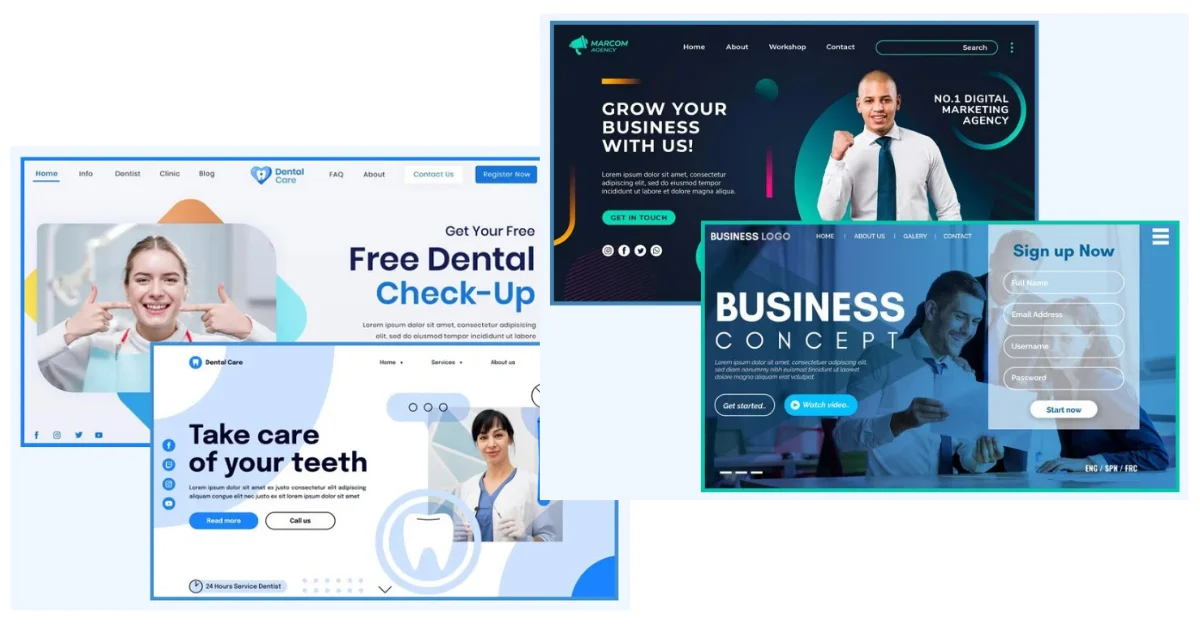
Many businesses invest in a website without understanding which design style actually matches their goals. Some need a simple informational website, while others need an eCommerce platform, portfolio layout, or advanced custom web design.
In this complete guide, you’ll learn about the most popular website design types, how to choose the right one, and which option fits your brand identity, industry, and business goals.
The main website design types include static websites, dynamic websites, responsive designs, eCommerce websites, corporate business websites, portfolio websites, landing pages, and WordPress-based websites. Each design type serves different business goals such as selling products, generating leads, showcasing work, or building brand authority. Choosing the right website design improves user experience, SEO rankings, and online conversions.
Why Choosing the Right Website Design Matters?
A website is not just about looking attractive. The right design helps:
- Build trust with customers
- Improve search engine ranking
- Increase leads and enquiries
- Enhance user experience
- Support long-term business growth
If your website design does not match your brand or audience expectations, visitors may leave within seconds. That means lost sales and missed opportunities.
Professional website design ensures your business communicates clearly, loads fast, and works smoothly on all devices.
Key Factors Before Selecting a Website Design Type
Before choosing any website layout, ask yourself these questions:
1. What is your business goal?
- Lead generation
- Online sales
- Brand awareness
- Portfolio showcase
- Information sharing
2. Who is your target audience?
Different audiences expect different experiences. A corporate client expects a professional design, while a creative audience prefers modern visuals.
3. What features do you need?
- Contact forms
- Online payments
- Booking system
- Blog section
- Product catalog
4. Do you need SEO optimization?
Search-friendly website design improves your Google ranking and organic traffic.
Once these factors are clear, selecting the best website design becomes much easier.
Major Website Design Types Explained
Let’s explore the most effective website design types used by businesses today.
1. Static Website Design
A static website is the simplest type of website. It displays fixed content and does not change dynamically.
Best for:
- Small businesses
- Startup landing pages
- Local service providers
- Basic company profiles
Advantages:
- Fast loading speed
- Low development cost
- High security
- Simple hosting
Limitations:
- Hard to update frequently
- Limited functionality
- Not ideal for large websites
Static website design works well for businesses that only need basic online presence.
2. Dynamic Website Design
Dynamic websites generate content in real time using databases and CMS platforms.
This is the most common type of professional business website today.
Best for:
- Growing companies
- Blog websites
- Service businesses
- Corporate websites
Advantages:
- Easy content updates
- Scalable structure
- Supports user accounts
- SEO friendly
Dynamic websites allow businesses to update pages, blogs, and services easily without technical skills.
3. Responsive Website Design
Responsive design ensures your website automatically adjusts to mobile phones, tablets, and desktops.
Today, mobile-friendly design is essential because most users browse from smartphones.
Benefits of responsive web design:
- Better Google ranking
- Improved user experience
- Higher engagement
- Faster mobile performance
- Reduced bounce rate
If your website is not responsive, it will struggle to rank in search results.
Modern professional website development always includes responsive design.
4. eCommerce Website Design
An eCommerce website allows businesses to sell products online.
It includes:
- Shopping cart
- Secure checkout
- Payment integration
- Product management
- Order tracking
Ideal for:
- Retail stores
- Clothing brands
- Electronics sellers
- Handmade product businesses
Important features:
- Easy navigation
- Fast checkout
- Product filters
- Mobile optimization
Good eCommerce design focuses heavily on conversion optimization and user trust.
5. Business Corporate Website Design
Corporate websites focus on building credibility and professional branding.
They usually include:
- About company
- Services
- Testimonials
- Contact pages
- Blog content
Best for:
- IT companies
- Consultants
- Agencies
- Manufacturers
- Professional service firms
Corporate web design should look clean, structured, and trustworthy.
Minimal clutter and strong typography usually work best.
6. Portfolio Website Design
Portfolio websites showcase work samples, projects, or creative content.
Perfect for:
- Designers
- Photographers
- Architects
- Freelancers
- Marketing professionals
Key design features include:
- Large visuals
- Project galleries
- Case studies
- Client reviews
Portfolio website design focuses on visual presentation and storytelling.
7. Landing Page Website Design
Landing pages are single-page websites created for marketing campaigns or lead generation.
Common uses:
- Product launches
- Google Ads campaigns
- Event registration
- Course promotions
- Service enquiries
Landing pages usually contain:
- Strong headline
- Clear offer
- Benefits list
- Call-to-action button
- Lead form
Landing page design focuses purely on conversions.
8. WordPress Website Design
WordPress is the most popular website platform used worldwide.
WordPress website design allows businesses to build flexible, scalable, SEO-friendly websites.
Why businesses prefer WordPress:
- Easy content management
- Thousands of themes
- Plugin support
- Blog integration
- SEO friendly structure
WordPress is ideal for:
- Business websites
- Blogs
- Service companies
- Educational platforms
- Online stores
Most modern professional websites today use WordPress because it balances cost, customization, and performance.
How to Choose the Right Website Design for Your Brand?
Selecting the best website design is not about trends — it’s about strategy.
Follow this step-by-step approach.
Step 1: Define Your Website Purpose
If your goal is selling products → choose eCommerce design
If your goal is getting enquiries → choose business service website
If your goal is showcasing work → choose portfolio design
Your purpose determines everything else.
Step 2: Match Design With Brand Personality
Luxury brands need elegant minimal design.
Creative brands need bold visuals.
Corporate companies need structured layouts.
Your website design should visually communicate your brand values.
Step 3: Consider Future Growth
Choose scalable website design if you plan to:
- Add more services
- Publish blogs
- Expand product range
- Increase traffic
Dynamic or WordPress website design is best for future expansion.
Step 4: Prioritize SEO-Friendly Structure
Search engine optimized website design includes:
- Fast loading speed
- Clean coding
- Mobile responsiveness
- Proper heading structure
- Optimized images
SEO-friendly websites rank faster and attract organic traffic.
Latest Website Design Trends Businesses Should Know
Modern web design continues evolving.
Here are the trends dominating today’s professional websites.
Minimalist Clean Layouts
Simple layouts with clear spacing improve readability and professionalism.
Cluttered websites often confuse visitors and reduce conversions.
Mobile-First Website Design
Designing websites primarily for mobile users is now standard practice.
Mobile usability directly affects Google rankings.
Fast Performance Optimization
Users expect websites to load within seconds.
Speed-optimized website design improves both SEO and customer satisfaction.
Conversion-Focused Design
Modern websites are designed to guide users toward actions like:
- Filling enquiry forms
- Calling the business
- Booking services
- Making purchases
Design today is not just about looks — it’s about results.
“Still unsure which website design suits your business? A professional website consultation helps identify the ideal structure based on your industry, audience behaviour, and SEO goals.”
Common Mistakes Businesses Make When Choosing Website Design
Avoid these costly mistakes.
Choosing design only based on price
Cheap websites often lack SEO structure and scalability.
Ignoring mobile optimization
A non-mobile website loses huge traffic.
Using too many animations
Heavy effects slow down the website.
Copying competitors blindly
Your brand needs its own identity.
Not planning future updates
A rigid website becomes outdated quickly.
Professional Website Design vs DIY Website Builders
Many businesses wonder whether to use DIY website builders or hire professionals.
DIY Website Builders
Good for:
- Personal projects
- Temporary websites
- Small experiments
Limitations:
- Limited customization
- SEO restrictions
- Slower performance
Professional Website Design Services
Best for:
- Long-term business growth
- Lead generation
- Brand authority
- Competitive industries
Professional web design ensures technical quality, SEO structure, and scalable development.
Final Thoughts: Which Website Design Truly Fits Your Brand?
There is no single “best” website design for everyone.
The right website depends on:
- Your industry
- Business goals
- Target audience
- Required features
- Growth plans
A small local business may succeed with a simple responsive WordPress website, while an online retailer needs a fully optimized eCommerce platform.
The most successful websites are not just visually attractive — they are strategic, fast, mobile-friendly, and designed for conversions.
Investing in the right website design today helps your business build credibility, attract customers, and grow steadily in the digital marketplace.
Frequently Asked Questions About Website Design Types
What type of website design is best for small businesses?
The best website design for small businesses is usually a responsive WordPress website. It offers flexibility, SEO-friendly structure, easy content updates, and affordable development costs while supporting future business growth.
How do I choose the right website design for my brand?
Choose a website design based on your business goals, target audience, required features, and future expansion plans. Service businesses need lead-generation websites, while online stores require eCommerce platforms.
Is WordPress good for professional business websites?
Yes, WordPress is one of the best platforms for professional websites. It supports SEO optimization, mobile responsiveness, thousands of plugins, and scalable website development for businesses of all sizes.
Why is responsive website design important?
Responsive design ensures your website works properly on mobiles, tablets, and desktops. Google prioritizes mobile-friendly websites, making responsiveness essential for SEO rankings and user experience.
How much does professional website design cost?
Website design costs depend on features, design complexity, and platform choice. Basic business websites cost less, while custom or eCommerce websites require higher investment due to advanced functionality.

![Why Your Business Needs a Website in ([year])?](https://www.webdigisoft.com/wp-content/uploads/2026/05/why-your-business-needs-a-website.webp)