Search Engine Marketing Services to Reach Customers Ready to Act
Connect with potential customers when they search for your products or services. Our search engine marketing services focus on relevant keywords, well-structured advertising campaigns, and ongoing optimization to make your advertising budget work more effectively.
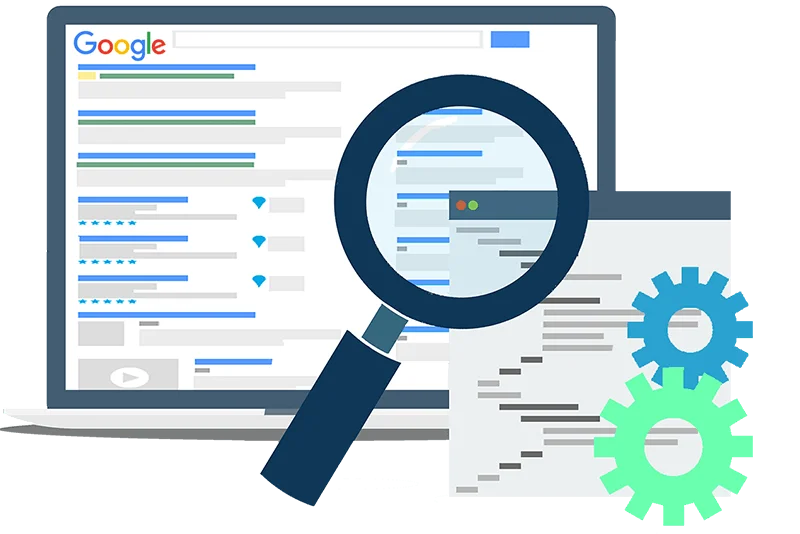
Put Your Business in Front of People Searching for What You Offer
Potential customers often use search engines to compare providers, research solutions, and find businesses that meet their needs. Search engine marketing gives your business an opportunity to appear in sponsored search results for selected queries.
WebDigiSoft helps businesses plan and manage paid search campaigns around their services, target audience, geographic reach, and commercial objectives. From keyword selection and ad copy to landing pages and conversion measurement, every element should support a clear campaign purpose.
Whether you want to generate enquiries, promote a service, or increase relevant visits to your website, the right campaign structure helps you make more informed advertising decisions.
Explore our digital marketing servicesSearch Engine Marketing Services for Your Business Goals
Plan, launch, and refine paid advertising campaigns with a focus on relevant traffic, useful landing pages, and measurable outcomes.
Google Search Ads
Reach people searching for products or services related to your business through targeted paid search campaigns.
- Search campaign setup
- Keyword and match-type planning
- Ad group organization
Keyword Research
Identify relevant search terms and assess their intent, competition, and suitability for your advertising objectives.
- Commercial keyword research
- Search intent analysis
- Negative keyword planning
Ad Copy & Creative
Develop clear advertising messages that communicate your offer and give searchers a relevant reason to visit your website.
- Responsive search ad copy
- Headline and description development
- Relevant ad assets and extensions
Location-Based Advertising
Configure campaigns around the geographic areas that matter to your business and the customers you want to reach.
- Location targeting
- Regional campaign planning
- Location-specific ad messaging
Landing Page Optimization
Improve the experience people encounter after clicking an ad so the page matches their search and campaign message.
- Message and keyword alignment
- Clear calls to action
- Mobile usability review
Conversion Tracking
Measure meaningful actions to better understand how paid campaigns contribute to your business objectives.
- Enquiry and form submission tracking
- Conversion action review
- Analytics and attribution checks
Budget & Bid Management
Structure budgets and bidding strategies around campaign goals, available data, and the economics of your business.
- Budget allocation planning
- Bidding strategy assessment
- Spend and performance monitoring
Remarketing Strategy
Where suitable and permitted, plan follow-up advertising for eligible audiences who have previously interacted with your business.
- Audience strategy planning
- Campaign eligibility review
- Privacy and consent considerations
Campaign Reporting
Review advertising performance to identify opportunities, assess campaign efficiency, and guide future improvements.
- Clicks and impressions
- Cost and conversion analysis
- Search term performance review
From Search Query to Website Enquiry
Search advertising connects selected keywords, ad messages, and landing pages. When these elements align with a potential customer’s needs, the campaign is better positioned to attract relevant visits.
A Customer Searches
A person searches for a product, service, or solution related to your business.
Your Ad May Appear
The advertising platform evaluates eligibility, bids, relevance, and other auction factors.
The Customer Visits Your Page
A click takes the visitor to a landing page that should closely match the advertised offer.
The Action Is Measured
Suitable tracking helps evaluate enquiries, purchases, and other defined campaign outcomes.
Build Paid Search Campaigns Around Clear Objectives
Good campaign management starts with understanding what you want advertising to achieve and how success should be measured.
Lead Generation
Focus campaigns on relevant searches from people looking for services, consultations, quotations, or business solutions.
Product Promotion
Direct shoppers to relevant products and categories using suitable advertising formats and destination pages.
Local Customer Acquisition
Target relevant geographic areas when your business serves customers in specific cities, regions, or service locations.
Brand & Service Awareness
Increase the visibility of selected offerings among relevant search audiences when awareness is a campaign objective.
Search Engine Marketing vs. Search Engine Optimization
Paid advertising and organic SEO serve different purposes. The right approach depends on your timeline, competition, budget, and business goals.
Search Engine Marketing
Paid search advertising can help eligible businesses appear in sponsored placements for targeted searches while campaigns are active.
- Requires an advertising budget
- Can begin generating visibility after launch and approval
- Offers campaign-level targeting controls
- Needs regular monitoring and optimization
Search Engine Optimization
Organic SEO improves your website’s relevance, technical accessibility, and potential to appear in unpaid search results.
- Does not require paying for each organic click
- Typically requires sustained effort over time
- Focuses on content and website improvements
- Can support long-term organic visibility
Considering both? Paid search can support immediate campaign objectives while SEO builds organic visibility over time. A combined strategy can be useful when the budget and business goals support it.
Make Campaign Decisions With Performance Data
Launching a campaign is only the beginning. Search terms, costs, ad relevance, landing page experience, and conversion data can reveal where improvements may be needed.
We focus on identifying meaningful patterns and making informed adjustments rather than changing campaign settings without a clear reason.
- Review search terms and exclude irrelevant traffic where appropriate.
- Assess ad messaging and landing page relevance.
- Monitor spend, conversions, and cost per conversion.
- Evaluate bidding and targeting using available performance data.
Key performance indicators
A Structured Approach to Search Advertising
Each stage helps connect campaign planning, implementation, measurement, and ongoing improvement.
Understand
Review your business, audience, services, competitors, and advertising objectives.
Plan
Define keywords, campaign structure, geographic targeting, budget, and messaging.
Launch
Configure campaigns, review landing pages, and verify appropriate tracking.
Optimize
Monitor performance and make informed changes based on campaign data.
Advertising Strategies Built Around Your Market
Campaign structure, keyword selection, and conversion goals vary by industry. We tailor advertising recommendations to the services you provide and the audience you want to reach.
Discuss your business requirementsSearch Engine Marketing FAQs
Find answers to common questions about paid search advertising, campaign management, budgets, and results.
Ask About SEMWhat is search engine marketing?
Search engine marketing commonly refers to paid advertising that helps businesses appear in sponsored search results. It involves keyword targeting, ad creation, campaign configuration, budget management, landing page relevance, and performance measurement.
What is the difference between SEM and SEO?
SEM in the paid-search context focuses on advertising placements purchased through platforms such as Google Ads. SEO focuses on improving a website’s visibility in organic, unpaid search results. They use different methods and can complement each other.
How much does search engine marketing cost?
Costs depend on your industry, target keywords, geographic market, competition, campaign goals, and management requirements. Your total investment may include the advertising spend paid to the platform and a separate fee for campaign management. A suitable budget should be discussed after understanding your objectives.
How soon can paid search campaigns start?
A campaign may begin serving ads after setup, review, and approval, provided the account, billing, targeting, and ads meet platform requirements. The time needed to generate useful performance data and meaningful business results varies by campaign and market.
Can search engine marketing generate leads?
Paid search can attract people actively looking for relevant services and direct them to enquiry pages. Lead quality and volume depend on keyword intent, competition, budget, ad messaging, landing page experience, and the strength of your offer.
Do I pay whenever someone clicks my ad?
Many search campaigns use cost-per-click bidding, where advertisers are charged for eligible ad clicks. Other bidding strategies may optimize for different outcomes. The applicable charging and bidding model depends on your campaign settings and advertising platform.
Why is conversion tracking important?
Conversion tracking helps measure selected actions, such as form submissions, purchases, or qualified calls. Without reliable tracking, it is harder to understand which campaigns contribute to business goals and where budget adjustments may be appropriate.
Can I target customers in specific cities?
Yes. Eligible advertising campaigns can use geographic targeting settings to focus on selected cities, regions, or other supported areas. Targeting should reflect your service coverage and be reviewed against the platform’s location options and reporting.
Do you guarantee advertising results?
No responsible advertising provider can guarantee a specific number of leads, sales, or return on ad spend. Outcomes depend on competition, budget, audience demand, pricing, website experience, offer quality, and other factors. Campaign performance should be assessed using agreed objectives and reliable data.
Ready to Plan Your Next Search Advertising Campaign?
Tell us about your business, target customers, and advertising goals. Let’s explore a paid search strategy suited to your requirements.
Get Started With Search Engine Marketing
Share your website, services, target market, and advertising objectives. This information helps us understand your requirements and discuss suitable campaign priorities.
Discuss your target audience and advertising goals.
Identify suitable search advertising opportunities.
Understand campaign setup, measurement, and next steps.
Discuss Your SEM Requirements
Tell us a little about your project.
Your information will be used to respond to your enquiry.