Table of Contents
Sector-specific web design is rapidly becoming the secret weapon behind high-performing business websites. Instead of using generic layouts, modern companies now build websites tailored specifically to their industry, customers, compliance requirements, and business goals.
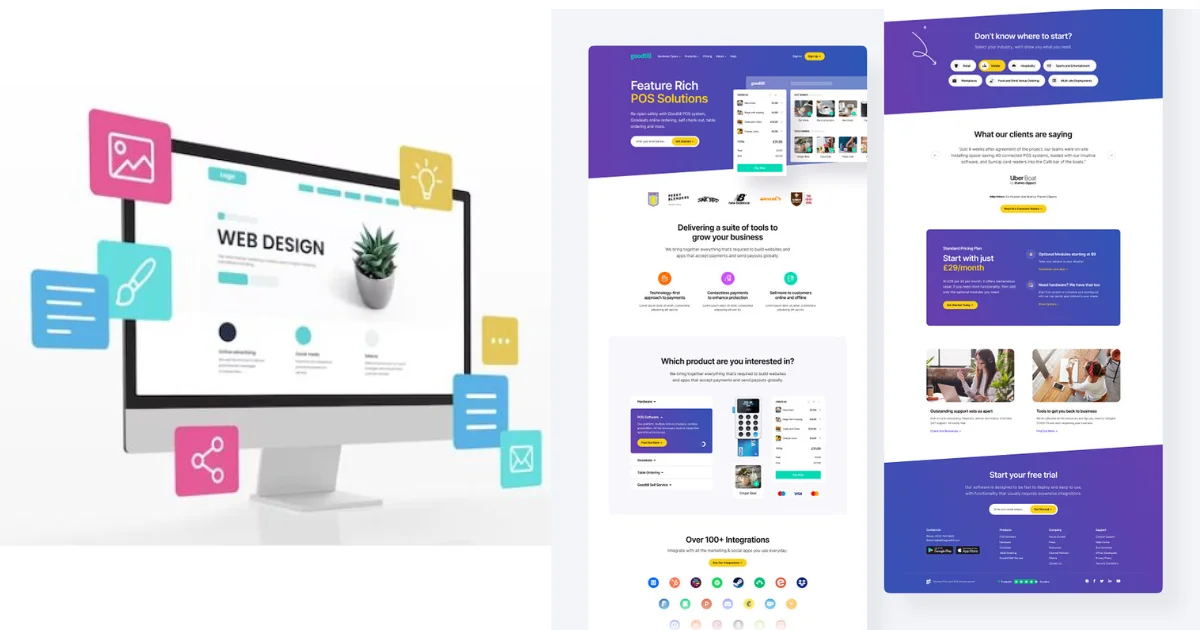
Whether you run a healthcare clinic, law firm, construction company, restaurant, real estate agency, or eCommerce store, your website must reflect how your industry works. A generic template rarely delivers the same results as an industry-focused design.
Platforms like WordPress now allow businesses to build highly customized sector-based websites that combine SEO performance, user experience, and conversion optimization.
In this complete guide, you’ll learn:
- What sector-specific web design really means
- Why industry-focused websites rank higher
- Which features different industries require
- How sector design improves conversions
- How to choose the right design approach
- Real examples of industry website structures
Let’s begin.
What Is Sector-Specific Web Design?
Sector-specific web design refers to building websites tailored to the needs, user behavior, functionality requirements, and search patterns of a specific industry.
Unlike general websites, sector-focused designs include:
- Industry-relevant layouts
- Targeted conversion elements
- Compliance-ready features
- Specialized booking or service systems
- SEO structure built for industry keywords
This approach ensures the website matches how customers in that sector actually search, browse, and make decisions.
Why Generic Websites Fail in Competitive Industries?
Many businesses launch websites using basic templates.
The result?
- Wrong page structure
- Missing key features
- Poor user flow
- Low conversion rates
- Weak SEO performance
Industry competition is now too high for one-size-fits-all websites.
Search engines prioritize websites that clearly match search intent, industry terminology, and user expectations.
That’s why sector-specific design significantly improves rankings.
Key Benefits of Sector-Specific Web Design
Higher Search Engine Rankings
When your website structure reflects industry keywords and services, Google better understands your relevance.
This improves:
- Keyword ranking
- Local SEO visibility
- AI search inclusion
Better Customer Trust
Visitors feel more confident when a website looks designed for their specific needs.
For example:
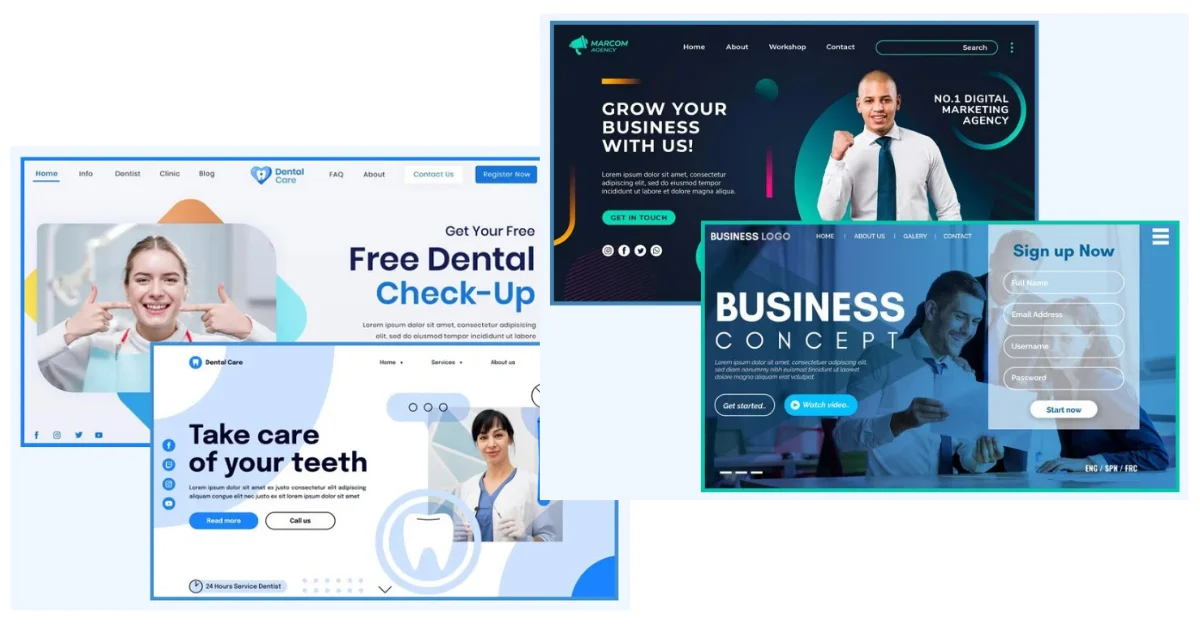
Patients expect online booking in healthcare sites.
Home buyers expect property filters in real estate sites.
Clients expect consultation booking in legal websites.
Higher Conversion Rates
Sector-focused layouts place the right call-to-actions exactly where industry customers expect them.
This reduces confusion and increases leads.
Faster Development Process
Using industry frameworks reduces trial-and-error design decisions.
This speeds up launch while improving performance.
Essential Elements of Every Sector-Specific Website
Regardless of industry, every professional website must include:
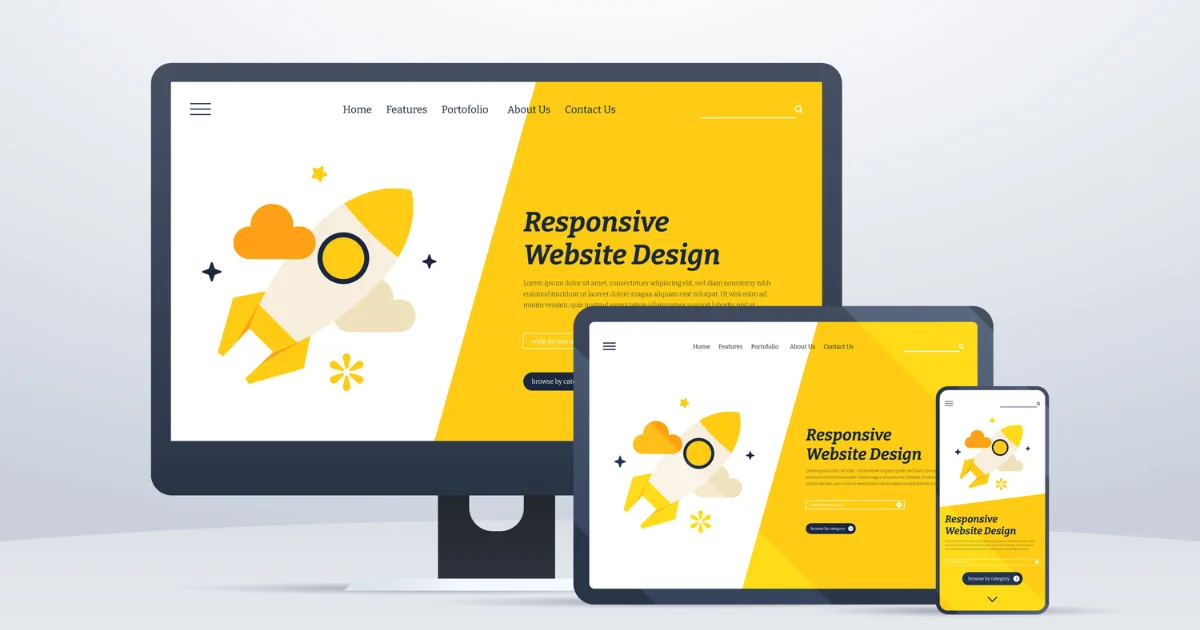
Mobile-Responsive Design
Most users browse on mobile devices.
Fast Loading Speed
Slow sites lose customers instantly.
SEO-Optimized Structure
Proper headings, keyword placement, and technical SEO matter.
Easy Content Management
CMS platforms like WordPress allow easy updates without coding.
Security & Backup Systems
Essential for protecting business and customer data.
Sector-Specific Website Design Examples
Healthcare Website Design
Healthcare websites must focus heavily on trust and accessibility.
Required Features
- Online appointment booking
- Doctor profiles
- Treatment pages
- Patient testimonials
- Secure contact forms
Design Focus
Clean layouts
Soft colors
Easy navigation
Large readable fonts
Law Firm Website Design
Legal websites must communicate authority and credibility.
Required Features
- practice area pages
- Attorney profiles
- Consultation forms
- Case results
- FAQ pages
Design Focus
Professional typography
Minimalist layout
Strong credibility signals
Real Estate Website Design
Real estate websites need powerful search functionality.
Required Features
- Property search filters
- Map integration
- Image galleries
- Agent contact buttons
- Inquiry forms
Design Focus
Large property photos
Fast search system
Location filters
Restaurant Website Design
Restaurant websites must prioritize visual appeal and quick access to information.
Required Features
- Digital menu
- Reservation system
- Location map
- Opening hours
- Online ordering
eCommerce Website Design
Online stores require advanced functionality.
Many use WooCommerce for scalable product management.
Required Features
- Product catalog
- Secure payment system
- Customer reviews
- Order tracking
- Inventory management
How Sector-Specific Design Improves SEO?
Industry-focused websites improve SEO through:
Keyword Mapping
Each service page targets industry search queries.
Intent-Based Page Structure
Search engines prioritize pages that match user intent.
Rich Industry Content
Detailed service descriptions improve topical authority.
Internal Linking Strategy
Sector sites naturally create strong content clusters.
How To Choose the Right Sector Web Design Strategy?
Step 1 — Identify Core Business Goals
Do you want:
- Leads
- Bookings
- Sales
- Brand awareness
Your website structure must match the goal.
Step 2 — Analyze Competitor Websites
Study top ranking industry sites.
Identify:
- page layout
- content structure
- feature placement
Step 3 — Choose Flexible CMS Platform
Most agencies recommend WordPress because it supports:
- Custom design
- SEO plugins
- Industry integrations
Step 4 — Prioritize Conversion Design
Focus on:
- Strong CTAs
- Simplified forms
- Trust signals
Cost of Sector-Specific Web Design in 2026
Typical pricing:
Basic Industry Website → ₹25,000 – ₹45,000
Professional Sector Website → ₹45,000 – ₹1,20,000
Advanced Custom Industry Platform → ₹1,20,000 – ₹3,00,000+
Costs depend on:
- Feature complexity
- Integrations
- Automation tools
- Number of pages
Common Mistakes Businesses Make
Using Generic Templates
Templates rarely match industry needs fully.
Ignoring User Journey
Each sector has different decision processes.
Missing Industry-Specific Features
Without required tools, visitors leave.
Weak Service Page Structure
Detailed service pages are essential for SEO.
Future Trends in Sector-Specific Web Design
AI-Driven Personalization
Websites will adapt content based on visitor behavior.
Industry Automation Tools
Booking, payments, and CRM integrations will become standard.
Voice Search Optimization
Conversational queries will dominate search traffic.
Ultra-Fast Lightweight Designs
Speed will remain a major ranking factor.
Frequently Asked Questions About Sector-Specific Web Design
What is sector-specific web design?
Sector-specific web design is a website development approach tailored to the needs, functionality, and customer expectations of a particular industry to improve SEO, usability, and conversion rates.
Why is industry-focused web design important?
It improves user experience, builds trust, and ensures the website includes the exact tools customers expect, increasing leads and rankings.
Which platform is best for sector-specific websites?
Platforms like WordPress are widely used because they allow flexible design, SEO optimization, and custom functionality.
Final Thoughts
Sector-specific web design is no longer optional — it is essential for businesses that want to rank higher, build trust faster, and convert more visitors into customers.
Instead of launching a generic website, companies should invest in industry-focused layouts, features, and SEO structures tailored to their market.
A well-designed sector website works as a long-term business asset, generating leads, improving brand credibility, and supporting continuous growth.