Table of Contents
A modern website is no longer just a digital brochure — it is your brand’s most powerful marketing engine. In today’s competitive online environment, customers judge your credibility within seconds of landing on your website. If the design looks outdated, loads slowly, or feels confusing, visitors leave immediately and often never return.

Modern web design techniques help businesses create fast, mobile-friendly, visually professional, and conversion-focused websites that attract customers and generate enquiries automatically. Companies investing in updated design strategies consistently see better search rankings, higher engagement, and stronger online brand authority.
This complete guide explains the latest professional website design methods used in 2026 to build high-performance websites that rank well in search engines and convert visitors into customers.
Modern web design techniques include mobile-first layouts, responsive design systems, fast page speed optimization, UX-focused navigation, SEO-friendly structure, secure hosting integration, and conversion-driven visual hierarchy. Businesses using modern website design improve search rankings, user engagement, brand credibility, and lead generation while ensuring long-term website scalability.
What Defines Modern Web Design in 2026
Modern web design combines visual aesthetics with performance engineering and user psychology.
Unlike older websites that focused only on appearance, today’s design strategy balances:
- visual presentation
- technical performance
- mobile usability
- conversion flow
- search optimization
A successful modern website must load quickly, adapt to all devices, and guide visitors toward clear actions.
Mobile-First Website Development Approach
Mobile traffic now dominates global internet usage. Designing for desktop first is outdated.
Mobile-first design ensures:
- readable content on small screens
- tap-friendly navigation buttons
- optimized mobile loading speed
- simplified layouts
Search engines strongly prioritize mobile usability as a ranking signal.
Platforms such as WordPress support responsive frameworks that automatically adjust layouts across screen sizes.
Responsive Web Design Systems
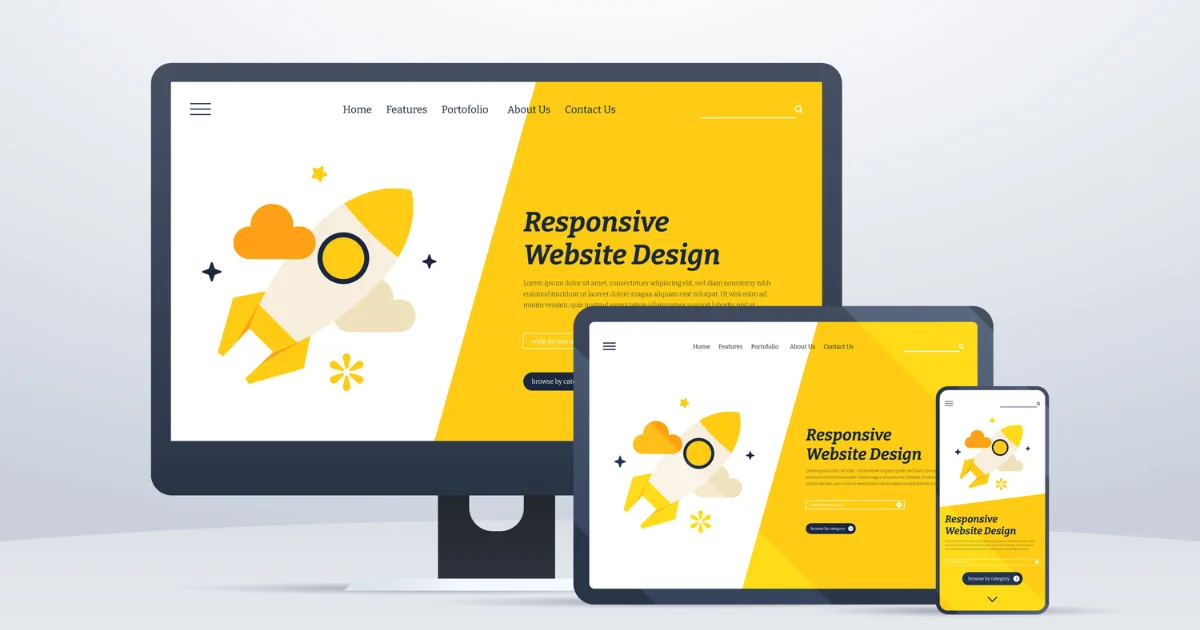
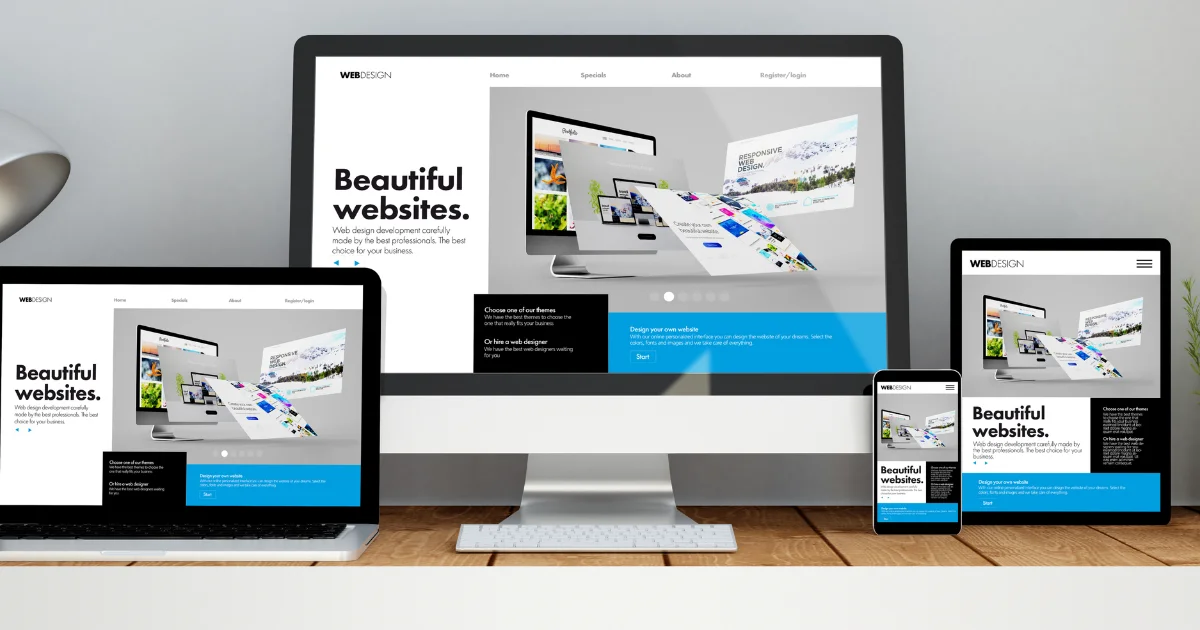
Responsive design allows the website layout to automatically adjust to the visitor’s device.
Key responsive techniques include:
- flexible grid structures
- scalable image containers
- adaptive typography
- CSS breakpoints
Responsive websites reduce bounce rate and improve user satisfaction, which indirectly boosts SEO ranking performance.
Website Speed Optimization Techniques
Page speed directly influences search ranking and customer behaviour.
Modern performance optimization includes:
- compressed next-gen image formats
- lazy loading media
- optimized hosting environments
- minimized CSS and JavaScript
- browser caching
Fast websites typically achieve higher conversion rates because users experience less friction.
UX-Focused Navigation and Layout Design
User experience (UX) determines whether visitors stay or leave.
Modern UX design focuses on:
- simple navigation menus
- logical page hierarchy
- clear visual reading flow
- minimal form fields
- obvious call-to-action buttons
The goal is to help users complete tasks effortlessly.
Conversion-Driven Website Structure
Professional websites are structured to generate measurable business outcomes.
Conversion-focused design elements include:
- benefit-oriented headings
- social proof testimonials
- trust indicators
- strategically placed enquiry forms
- simplified checkout flows
A properly structured website becomes a 24/7 automated sales channel.
SEO-Friendly Website Architecture
Modern websites are built with search engine visibility in mind from the beginning.
SEO-optimized design includes:
- clean internal linking structure
- descriptive heading hierarchy
- optimized image metadata
- schema-ready content sections
- fast mobile performance
Ignoring SEO during design often requires costly rebuilding later.
Minimalist Visual Design Principles
Minimalist layouts dominate modern web aesthetics because they improve clarity and usability.
Core principles:
- generous white space improves readability
- limited color palettes increase focus
- clean typography enhances professionalism
- fewer elements reduce distraction
Users prefer simple, easy-to-scan layouts.
Modern Website Security Requirements
Security is now essential for both ranking and reputation.
Modern security standards include:
- SSL encryption certificates
- firewall-protected hosting
- malware monitoring
- automated backups
- secure login authentication
Secure websites build trust and prevent costly downtime.
Advanced Modern Web Design Techniques Businesses Use Today
Top-performing websites now implement advanced features such as:
- interactive micro-animations
- AI chat integrations
- dynamic content personalization
- accessibility-optimized layouts
- structured performance monitoring
These features enhance engagement while maintaining usability.
Businesses seeking professional implementation often consult agencies like WebDigiSoft for performance-focused website development.
A modern website should not only look professional — it must actively generate enquiries and support business growth. If your current website is slow, outdated, or failing to attract customers, upgrading to a modern responsive design can dramatically improve search visibility, customer trust, and lead generation.
Common Outdated Web Design Mistakes to Avoid
Many businesses still lose customers due to avoidable design errors.
Avoid:
- non-responsive layouts
- extremely slow hosting
- cluttered navigation menus
- unreadable text contrast
- outdated visual styles
Modern design prioritizes speed, clarity, and usability.
Future Trends Shaping Web Design Beyond 2026
Emerging trends include:
- AI-generated adaptive layouts
- voice-search compatible navigation
- predictive user personalization
- immersive interactive storytelling
- advanced accessibility compliance
Businesses that adopt these trends early often outperform competitors.
Successful modern websites are built using measurable data rather than assumptions. Designers evaluate user navigation patterns, page interaction metrics, mobile device behavior, and search engine performance signals before finalizing layouts. This data-driven approach ensures the website continues delivering visibility, credibility, and customer engagement long after launch.
Frequently Asked Questions About Modern Web Design
What makes a website modern today?
A modern website is mobile-friendly, fast-loading, visually clean, SEO-structured, secure, and designed with conversion-focused navigation that guides users toward actions.
Why is page speed critical for web design?
Fast websites improve user satisfaction, reduce bounce rate, and help search engines rank pages higher because performance directly affects user experience.
How often should business websites be redesigned?
Most companies update their website design every two to four years to remain aligned with evolving technologies, SEO practices, and customer expectations.
Is WordPress suitable for modern business websites?
Yes. WordPress supports responsive themes, SEO plugins, scalable content management, and performance optimization tools suitable for businesses of all sizes.
Final Thoughts
Modern web design techniques are no longer optional — they are essential for business survival in competitive online markets. A well-structured, fast, responsive, and SEO-optimized website becomes a long-term digital asset that continuously attracts visitors, builds credibility, and generates enquiries.
Businesses investing in modern design today position themselves strongly for sustained digital growth.